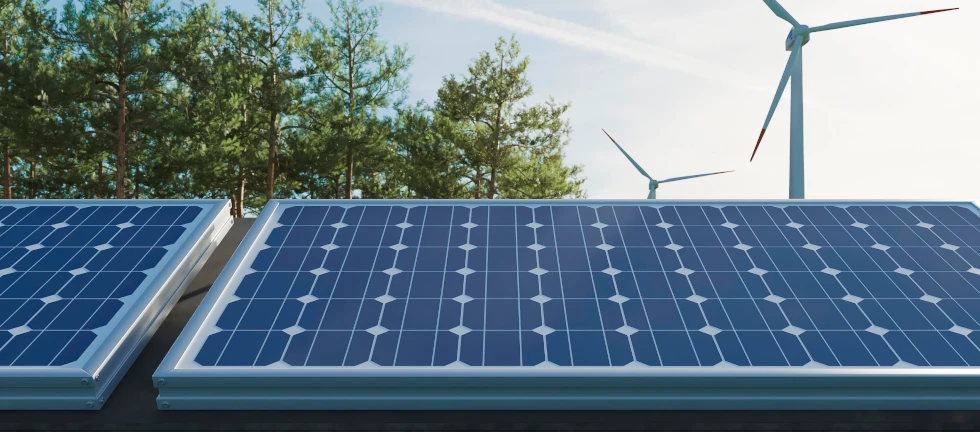
With rising electricity costs, increased power outages, and a growing push for sustainable living in Kenya, many homeowners and businesses are turning to solar energy. But one major question comes up when planning to install solar:
Should you go off-grid or choose a hybrid system?
Each option offers unique benefits depending on your energy needs, location, and lifestyle. In this post, we’ll break down the differences between off-grid and hybrid solar systems and help you decide which one is right for you.
☀️ Off-Grid Solar Systems
An off-grid system is completely independent of Kenya Power or any utility provider. It generates, stores, and uses solar energy without any reliance on the national grid.
✅ Benefits:
- Total Energy Independence:You won’t pay monthly electricity bills or be affected by blackouts.
- Ideal for Remote Locations:Perfect for rural or remote areas with little or no access to the national grid.
- Sustainable Living:It’s a 100% renewable energy solution — great for eco-conscious homeowners and businesses.
⚠️ Considerations:
High Upfront Cost: Off-grid systems require a large battery bank and higher-capacity components to meet your entire energy demand, day and night.
Battery Storage is Key: Since there’s no grid fallback, the system must be carefully designed to ensure you have enough stored power during cloudy days or at night.
Requires Expert Design & Load Planning: A poorly sized off-grid system can result in outages or system failure.
Best For: Remote homes, off-the-beaten-path lodges, farms, or anyone seeking complete energy independence.
⚡ Hybrid Solar Systems
A hybrid system is connected to both your solar panels and the utility grid. It also includes battery storage to store excess solar energy for use when the sun isn’t shining.
✅ Benefits:
Grid Support: Use solar energy when it’s available and seamlessly switch to grid power when needed.
Lower Battery Requirements: Since you’re not completely off-grid, the system needs fewer batteries, reducing your initial investment.
Reliable & Cost-Effective: Save money on your monthly electricity bill while still having the grid as a backup.
Flexible Power Management: Smart hybrid inverters allow you to prioritize solar usage and optimize energy savings.
⚠️ Considerations:
Still Subject to Grid Failures: If your batteries run out and the grid goes down, your system may be limited unless you install an emergency backup option.
Less Suitable for Remote Areas: It relies on having access to the grid, making it less ideal for isolated locations.
Best For: Urban homes, commercial buildings, and institutions looking to reduce electricity costs while retaining access to reliable power.
🆚 Off-Grid vs. Hybrid: Which One Should You Choose?
|
Feature
|
Off-Grid System
|
Hybrid System
|
|
Grid Independent
|
✅ Yes
|
❌ No
|
|
Ideal For Remote Areas
|
✅ Yes
|
❌ No
|
|
Electricity Bill
|
❌ None
|
✅ Reduced
|
|
Battery Size
|
🔋 Large
|
🔋 Moderate
|
|
Cost
|
💸 Higher
|
💸 Moderate
|
|
Reliability in Urban Settings
|
⚠️ Depends on battery size
|
✅ High
|
How Hilaz Electrical Services Can Help
At Hilaz Electrical Services, we design and install both off-grid and hybrid solar systems customized to your needs, budget, and location. Our team of certified technicians and energy consultants will:
- Assess your energy usage
- Recommend the best system size and type
- Handle full installation, wiring, and compliance
- Provide after-sales support and system monitoring
Ready to Power Your Life with Solar?
Whether you want to reduce bills or completely cut ties with the grid, we’ll help you make the right choice.
Book a free solar consultation with our experts today and take the first step toward energy independence.
📞 Call Now | 📧 Email Us | ☀️ Book Site Survey